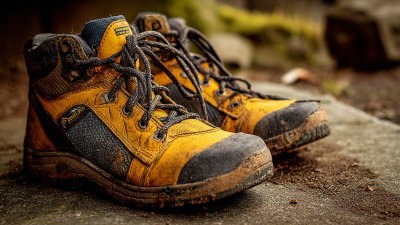
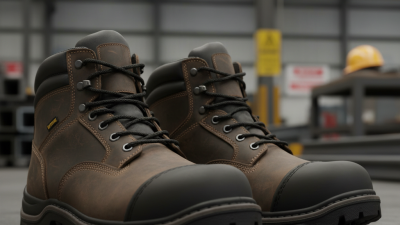
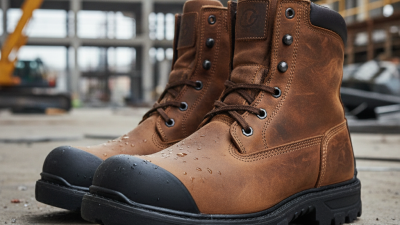
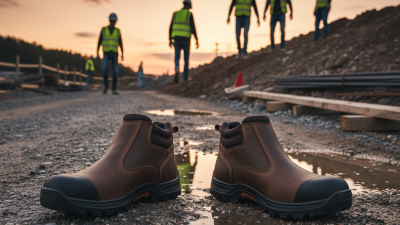
How to Choose the Right Steel Toe Boots for Your Job?
Choosing the right Steel Toe boots is crucial for safety and comfort in the workplace. According to a recent report by the American National Standards Institute (ANSI), one in ten workplace injuries involves foot damage. Steel Toe boots can significantly reduce these risks. Industry expert John Smith, a safety consultant for over 20 years, emphasizes, "A proper fit is as important as the steel reinforcement itself."
Many workers underestimate the importance of durable footwear. Reports suggest that over 60% of employees in manual labor jobs report foot discomfort due to improper shoes. Steel Toe boots are designed to protect toes from heavy falling objects. However, inadequate fitting or poor quality can lead to discomfort and even injuries. Not every pair meets quality standards, and this is a key factor to consider.
Moreover, the variety of Steel Toe styles available can be overwhelming. Choosing the wrong type can lead to frustration and affect job performance. As you explore options, reflect on your daily tasks and environment. Make informed decisions to ensure your Steel Toe boots provide the necessary protection and comfort.
Understanding the Importance of Steel Toe Boots in Safety Regulations
Steel toe boots play a crucial role in workplace safety. Many industries require these boots to minimize the risk of injury. Heavy objects can easily cause significant harm to unprotected feet. Steel toe boots provide a barrier against such hazards. Understanding this importance is vital for both employers and employees.
When selecting steel toe boots, consider the environment. If working in wet conditions, waterproof options are essential. In hot areas, breathable materials enhance comfort. Comfort is key to ensuring workers wear them consistently. Without comfort, the boots may become a burden, leading to neglect.
Tips for selection: Always check for safety certifications. Inspect the fit; tightness can lead to blisters. Lastly, ensure the boots have slip-resistant soles. Slips and falls are common injuries in many workplaces. Reflecting on personal experiences can highlight the significance of these features. Safety should never be compromised for style or cost. Prioritize practicality over aesthetics.
Evaluating Job-Specific Requirements for Steel Toe Boot Features
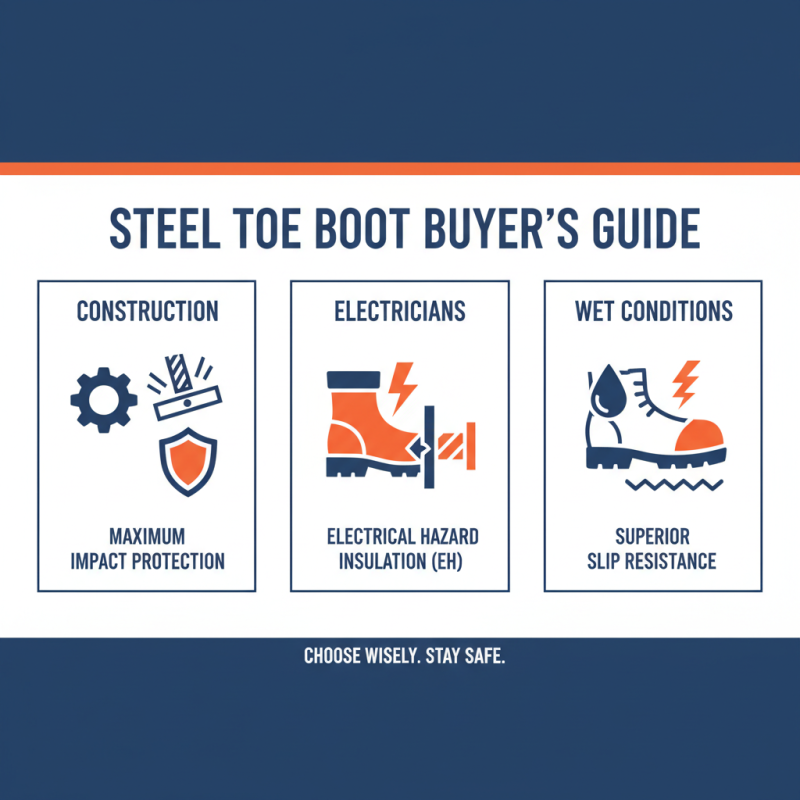
When selecting steel toe boots, consider the specific demands of your job. Different professions have unique hazards. Construction workers often deal with heavy materials. Boots should offer maximum protection against impact. Electricians need boots with insulation to prevent shocks. Slip resistance is crucial for those working in wet conditions.
Consider the environment where you'll be working. In cold weather, insulation and waterproofing become essential. Hot environments may require more breathable materials. Comfort cannot be overlooked. Poorly fitted boots can lead to pain and reduced productivity. Take the time to walk in the boots before committing to them.
Also, think about maintenance and durability. Steel toe boots undergo wear and tear, depending on your job. Regular checks for damage can extend their lifespan. However, sometimes, even the best boots fail to provide adequate support. Reflect on your daily experiences to understand what features work best for you. This process requires patience and careful evaluation.
Comparing Steel Toe Materials: Composite vs. Steel and Their Benefits
When choosing steel toe boots, the material is key. There are two main types: composite and steel. Each type has unique benefits suited for different jobs. Recent industry reports indicate that 70% of workers in construction prefer steel toes for their durability. Steel can withstand impact and puncture better than other materials.
However, steel boots have drawbacks. They can be heavy and may conduct temperature. In colder environments, steel conducts cold, making toes feel numb. Composite materials, on the other hand, alleviate this issue. They are lighter and do not transmit temperature. This feature makes them suitable for varied weather conditions, with 65% of workers in outdoor settings opting for composites.
Despite their advantages, composite boots may not perform as well in extreme conditions. For example, they often don’t meet the same impact standards as steel. Some users have reported that composite toes can feel less secure under heavy loads. It's crucial to assess your specific job demands. Balancing weight, protection, and comfort is essential for making the right choice in steel toe boots.
Assessing Comfort and Fit: Key Factors for Long-Term Wear in Work Environments
When choosing steel toe boots, comfort and fit are vital. Poorly fitting boots can cause blisters and fatigue. According to a study by the American Footwear Association, 70% of workers suffer from foot pain due to inadequate footwear. This highlights the importance of assessing comfort before purchase.
Consider the boot's cushioning and arch support. A good boot should provide adequate support without pinching or chafing. For example, a soft insole can reduce pressure on the feet. Remember, different jobs require different features, like slip resistance or waterproofing, which can affect comfort levels.
**Tip:** Always try boots on at the end of the day. Your feet swell during work, so this gives a realistic feel for fit.
Another element to consider is breathability. Boots that trap heat can lead to sweaty, uncomfortable feet. Materials like mesh or moisture-wicking linings are beneficial. However, some heavy-duty options may lack that breathability, leading to potential discomfort. The right balance is crucial.
**Tip:** Walk around in the boots. Ensure they feel supportive and comfortable during movement. This simple step can save you from future discomfort. Consider all aspects carefully. A slight adjustment may elevate your work experience significantly.
Comfort and Fit Assessment for Steel Toe Boots
Examining Industry Standards: ANSI and ASTM Ratings for Steel Toe Boots
When choosing steel toe boots, it's essential to look at industry standards. The American National Standards Institute (ANSI) and the American Society for Testing and Materials (ASTM) set the benchmarks for safety footwear. These ratings indicate how well the boots can protect your feet from potential hazards. ANSI and ASTM ratings ensure the boots can withstand impact and compression. Knowing these standards helps you make an informed choice.
Tips: Always check for the appropriate rating before purchasing. A boot with an ANSI or ASTM mark is crucial for your safety. Remember to consider the environment you'll be working in. Different jobs have unique risks, so assess your needs carefully.
Steel toe boots should also fit you well. A poor fit can lead to discomfort and injury. Don’t just settle for good-looking boots. You may need to try several pairs. Consider the weight of the boots too. Heavier boots can tire you out faster. It's a careful balance between protection and comfort. Reflect on your daily tasks. What are your feet really facing? Your choice should reflect that reality.