How to Choose the Right Steel Shoes for Workplace Safety?
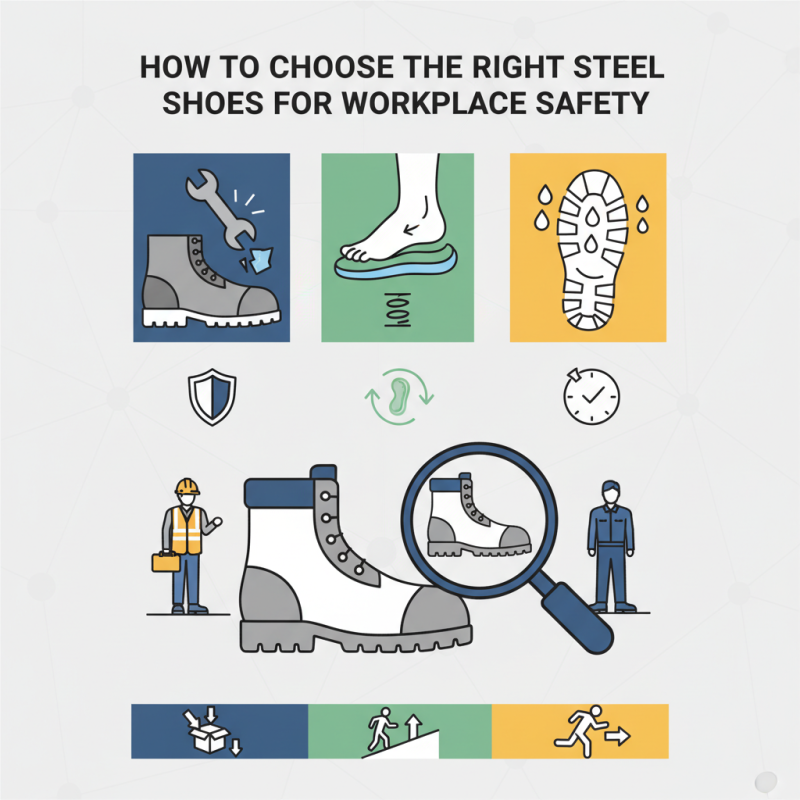
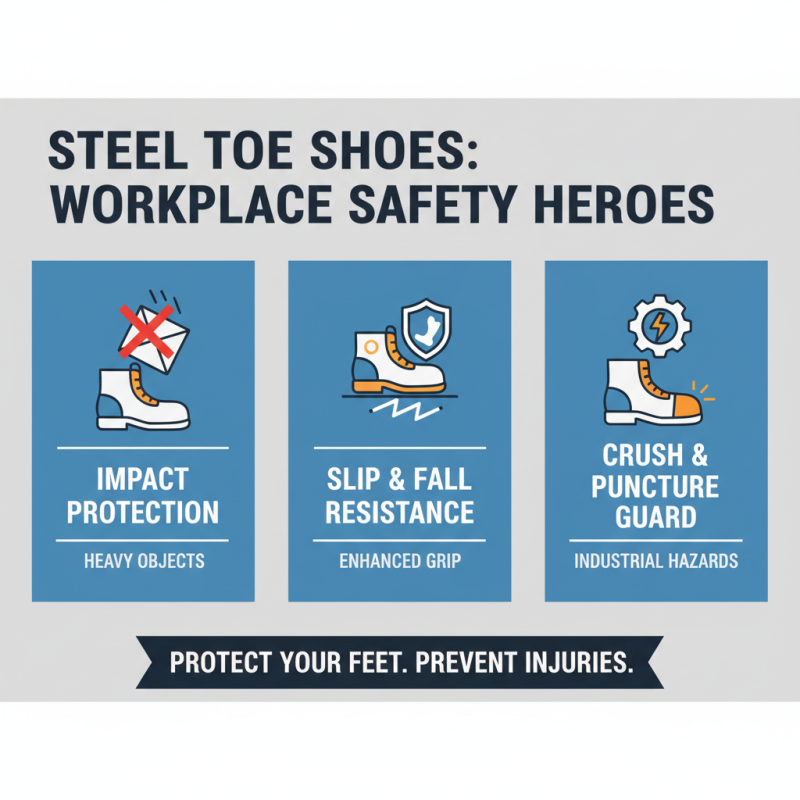
Choosing the right Steel Shoes for workplace safety is essential. According to safety footwear expert John Smith, "The right shoes can prevent serious injuries on the job." Steel Shoes protect against heavy objects, sharp materials, and slippery surfaces.
In many workplaces, accidents happen due to inadequate footwear. Workers often underestimate the risks they face daily. Steel Shoes offer protection, but not all models are the same. Some provide better comfort, while others are designed for specific hazards. A balance between safety and comfort is crucial.
Selecting the right Steel Shoes requires careful consideration. Look for features like slip resistance and durability. However, some shoes can feel heavy and cumbersome. It’s essential to try on various pairs and evaluate your needs. Not every worker is the same, and personal comfort plays a significant role in safety.
Understanding the Importance of Steel Shoes in Workplace Safety
In many workplaces, safety is a top priority. Steel shoes play a vital role in ensuring that employees remain safe while on the job. These sturdy shoes protect feet from heavy objects, slips, and other hazards. When a drop occurs, the robust steel toe can save a toe from serious injury. This level of protection cannot be underestimated.
Choosing the right pair of steel shoes requires careful consideration. It’s essential to ensure they fit well. Ill-fitting shoes can cause blisters and discomfort. Comfort can be overlooked in favor of style. Foot pain can distract workers, reducing productivity. It’s always wise to test shoes before committing. The right choice should support your work environment and personal needs.
Moreover, the materials and design can differ significantly. Some offer slip-resistant soles, which are crucial in wet conditions. Others might have breathable fabrics for extra comfort during long shifts. Reflective elements can enhance visibility in low-light areas. Understanding these features can lead to better decision-making. Prioritize both safety and comfort for effective workplace protection.
Key Features to Look for in Steel-Toed Shoes
When selecting steel-toed shoes for workplace safety, several key features are essential. Look for shoes with a comfortable fit. A snug fit can prevent blisters and discomfort during extended wear. The material should be durable but also allow breathability. Shoes crafted from a blend of leather and synthetic materials often offer this balance.
Cushioning is another crucial aspect. Well-padded insoles can minimize fatigue. Consider shoes with slip-resistant outsoles to reduce the risk of slips and falls. If you work in a hazardous environment, waterproofing is worth considering. Even the best safety shoes will need a bit of reflection on their effectiveness. Regularly evaluate if they still meet your safety requirements as your workload or environment changes.
Key Features to Look for in Steel-Toed Shoes
Different Types of Steel Shoes and Their Applications
When selecting steel shoes for workplace safety, understanding the types available is crucial.
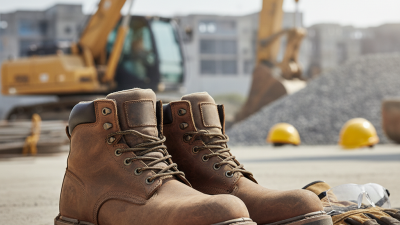
Steel-toed boots are common. They protect feet from heavy objects. They are vital in construction sites or warehouses.
Lightweight steel shoes are also available. These are perfect for workers who need flexibility.
There are insulated steel shoes, ideal for cold environments. They keep your feet warm during long hours outside.
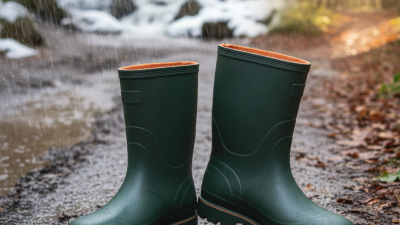
Waterproof models are another option. They shield against wet conditions, essential for maintenance workers.
Tips: Always try the shoes on before purchasing. Ensure they fit snugly, but allow some movement.
Check the sole's grip for stable footing. Regularly inspect your shoes for wear. Replace them when they show signs of damage.
This can prevent potential accidents.
Sizing and Fit: Ensuring Comfort and Protection
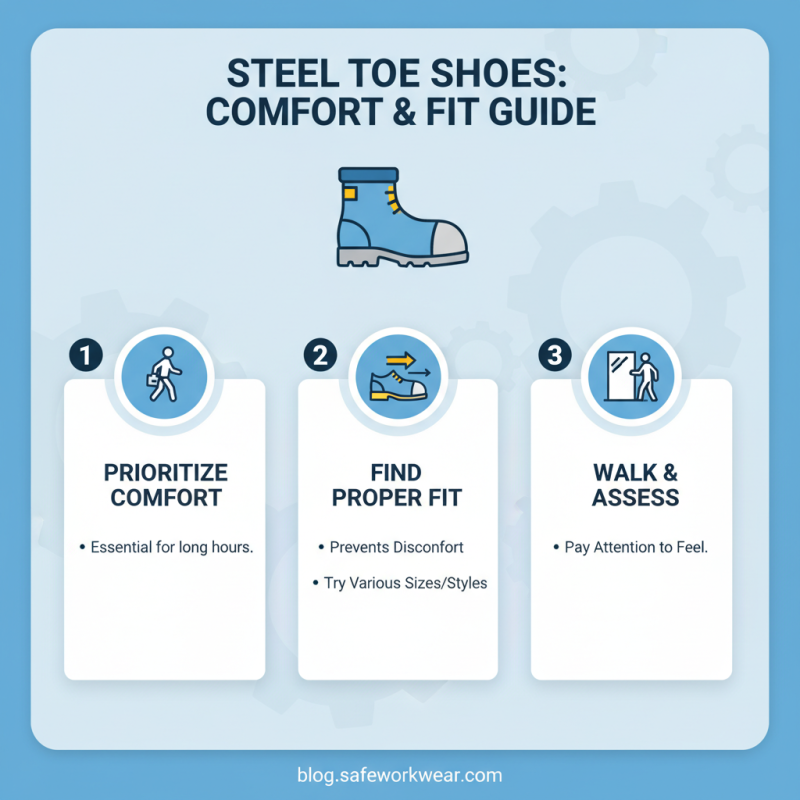
When selecting steel shoes for the workplace, comfort and fit are paramount. A shoe that feels good is essential for long hours on your feet. An improper fit can lead to blisters or other discomfort. It's crucial to try on various sizes and styles. Pay attention to how the shoes feel while you walk.
Tips: Always measure your feet at the end of the day. Feet swell throughout the day, and this can affect sizing. Consider the type of socks you’ll wear. They can influence the fit significantly. The right width is just as important as length.
When trying on shoes, ensure there's enough space at the toe box. Your toes should not touch the front. A snug heel fit helps minimize slipping, which can cause an injury. Reflect on past experiences with ill-fitting shoes. Those memories might guide your choices now.
Tips: Focus on the weight of the shoes. Lightweight options are ideal for all-day wear. Check for good arch support to reduce foot fatigue. Your feet deserve care, especially in demanding jobs. Ensure they are properly supported during work hours.
Maintenance Tips for Prolonging the Life of Steel Shoes
Proper maintenance is crucial for prolonging the life of steel shoes. Regular cleaning is a simple yet effective first step. After a long day, remove dirt and debris. Use a damp cloth or brush. This prevents buildup and potential damage. Dry them properly to avoid rust.
Check the soles often. Look for wear and tear. If you notice any signs of damage, it’s essential to address them quickly. Ignoring these issues can lead to unsafe conditions. Store your steel shoes in a cool, dry place. This helps maintain their integrity.
Sometimes, despite best efforts, they can still wear out. Reflecting on their condition is important. Ask yourself when you last replaced them. If they feel uncomfortable or no longer provide protection, it's time for a new pair. Regular inspection is key to safety and comfort.
How to Choose the Right Steel Shoes for Workplace Safety? - Maintenance Tips for Prolonging the Life of Steel Shoes
| Feature |
Description |
Maintenance Tips |
| Steel Toecap |
Provides protection against heavy falling objects. |
Regularly check for dents and ensure a snug fit to maintain protection level. |
| Slip Resistance |
Minimizes the risk of slipping on wet or oily surfaces. |
Clean the outsole regularly to remove build-up that can affect grip. |
| Electrical Hazard Protection |
Prevents electric shocks in dry environments. |
Inspect for cracks or wear that may compromise electrical safety. |
| Water Resistance |
Keeps feet dry in wet conditions. |
Treat with a waterproof spray to maintain water resistance. |
| Breathability |
Promotes airflow to keep feet comfortable. |
Store in a ventilated area to prevent moisture buildup. |