2026 How to Choose the Best PVC Boots for All Weather Conditions?
Choosing the right PVC boots can make a significant difference when facing various weather conditions. PVC boots are designed to keep your feet dry and comfortable. They are essential for rainy days, muddy terrains, or snowy paths.
However, not all PVC boots are created equal. Some offer better traction and insulation than others. Finding the right pair may seem daunting. Style, fit, and features often clash. Some might prioritize aesthetics over functionality, which can lead to discomfort.
It is essential to consider how you will use these boots. Will you wear them for outdoor activities, or just casual outings? The right pair should not only protect you but also provide comfort. Your choice might affect your experience in changing weather. So, take the time to find the best PVC boots suited for you.
Understanding PVC Boot Materials and Their Durability Across Conditions
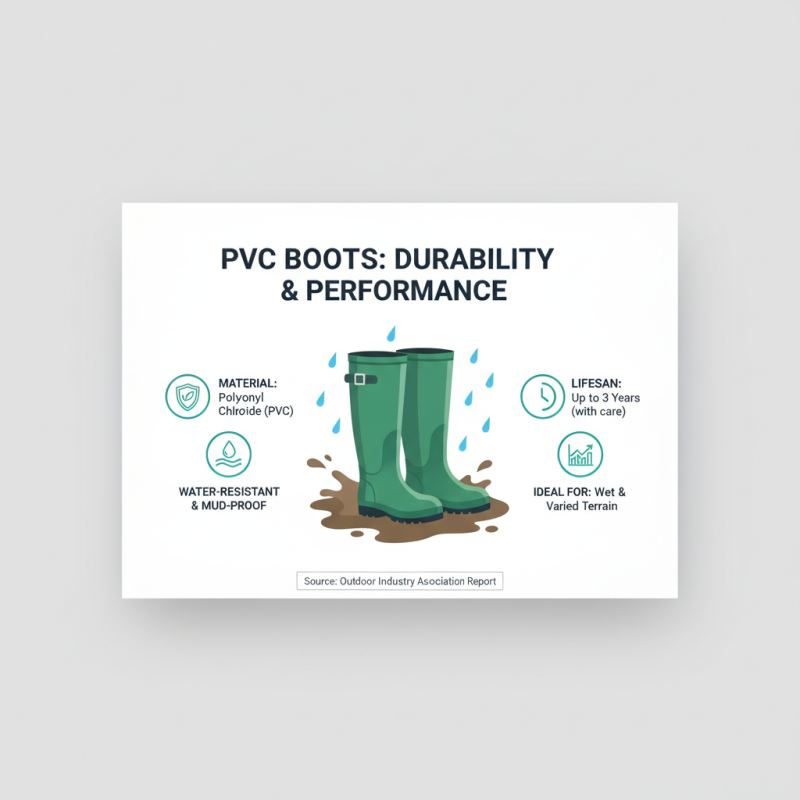
When selecting PVC boots, understanding the material is crucial. PVC, or polyvinyl chloride, is a durable plastic that withstands various weather conditions. A report from the Outdoor Industry Association reveals that boots made from high-quality PVC can last up to three years with proper care. They are water-resistant and can handle muddy terrains effectively, making them ideal for wet conditions.
However, not all PVC is the same. The thickness and layering of the material can impact its longevity. Thicker boots usually offer better protection but can be less flexible. It's essential to consider the climate in which you'll be using the boots. For example, in extremely cold conditions, PVC can become brittle. Look for boots with insulation for added warmth.
**Tips:** Ensure proper sizing for maximum comfort. A snug fit prevents blisters but shouldn't compromise circulation. Before making a purchase, read reviews regarding durability. Not all models handle rain or snow equally. Finally, avoid boots that feel too stiff. Comfort matters in long-term wear.
The Importance of Waterproofing Ratings in PVC Boots for All Weather
When selecting the best PVC boots for all weather conditions, waterproofing ratings play a crucial role. A high waterproof rating indicates the boot's ability to keep your feet dry. This is especially important when facing rain, snow, or muddy terrains. Boots with lower ratings may let moisture in, leading to discomfort and cold feet.
Choosing the right waterproof rating can be tricky. Look for boots rated for at least 1000 mm of water resistance for reliable protection. However, remember that “waterproof” does not always mean “breathable.” Boots that trap moisture can lead to wetness inside, counteracting their waterproof benefits.
Tips: Consider testing the boots for comfort before buying. Walk around and check for fit and feel. Remember that the best boot for one person may not be ideal for another. Always prioritize your needs over trends. Mistakes happen, and that’s okay. Reflect on your experiences to make better choices in the future.
Evaluating Insulation Features of PVC Boots for Cold Weather Protection
When choosing PVC boots for cold weather, insulation is a key feature. High-quality insulation keeps your feet warm and dry. Look for materials like foam or fleece lining that trap heat effectively. These additions help fend off the chill during winter excursions. The thickness of insulation can vary. A thicker layer may not always equal better comfort.
Another crucial detail is the boot's fit. A snug fit allows for better insulation but can feel restricting. Too loose can lead to heat loss. Pay attention to how the boots feel when walking. Flexibility is important for movement. Consider trying different sizes and styles to find the optimal balance. Don't forget to look at the sole as well. A good grip is vital for icy conditions.
Lastly, remember that even the best insulation can fail. Moisture can seep in through seams or zippers. Always check for reported issues about waterproofing. It's helpful to read reviews or consult guidelines for specific conditions you may face. Ensuring your boots stay waterproof will keep you warm and dry no matter the weather.
2026 How to Choose the Best PVC Boots for All Weather Conditions?
Choosing the best PVC boots for cold weather involves evaluating the insulation features. The chart above illustrates the temperature ratings associated with different insulation types commonly found in PVC boots. Selecting boots with suitable insulation can significantly enhance your comfort and protection in harsh weather conditions.
Selecting Sole Types: Traction and Flexibility for Diverse Terrains
When choosing PVC boots, the sole type can significantly impact comfort and performance. Traction is crucial for navigating various terrains. A sole with deep lugs provides excellent grip on slippery surfaces. This feature is essential for wet and muddy conditions. However, too aggressive a pattern might feel cumbersome on hard, dry ground. Finding a balance is vital here.
Flexibility also plays a key role in comfort. A flexible sole allows for better movement. This is especially important if you're walking long distances. Stiff soles can lead to fatigue. Some individuals may prefer rigidity for stability while others might prioritize ease of movement. It's important to consider your activities.
Ultimately, your choice should reflect your needs. The environment matters, too. Think about where you’ll wear these boots. Comfort and usability should guide your decision. Experimenting with different sole types can lead to surprising revelations. Pay attention to how each sole performs. It’s all about personal exploration.
2026 How to Choose the Best PVC Boots for All Weather Conditions?
| Sole Type |
Traction Level |
Flexibility |
Best Terrain |
Weather Conditions |
| Rubber |
High |
Moderate |
Wet & Slippery |
Rainy, Muddy |
| Eva |
Medium |
High |
Light Trails |
Sunny, Dry |
| TPR (Thermoplastic Rubber) |
High |
Moderate |
Snowy, Icy |
Cold, Wet |
| Vibram |
Very High |
Low |
Rocky Terrain |
All Seasons |
Fit and Comfort: Key Factors for Optimal Performance in PVC Boots
Choosing the right PVC boots involves understanding fit and comfort. Both elements are essential for optimal performance. The fit of a boot should be snug but not painfully tight. If the boots are too loose, they may slip, causing blisters. A proper fit enhances stability, especially in wet and slippery conditions.
Comfort is equally important. Look for boots with cushioned insoles. A good insole can reduce fatigue during long walks. Breathable materials help keep feet dry, adding to overall comfort. Consider trying boots on with the socks you intend to wear. This can change how they feel.
It's crucial to recognize that every foot is different. What works for one person may not suit another. It's okay to struggle with finding the perfect pair. Sometimes, the decision requires trying multiple options. Keep in mind that breaking in new boots can take time. It's a process that demands patience and reflection.