Best Plastic Boots for 2026 Which Ones Should You Choose?
As we look ahead to 2026, the demand for Plastic Boots is surging. According to a recent industry report by Market Research Future, the global market for plastic footwear is expected to grow at a CAGR of 8% over the next five years. This growth highlights the increasing popularity and versatility of plastic boots, particularly in outdoor and rugged conditions.
Expert footwear analyst, Dr. John Smith, emphasizes the importance of material quality. “Plastic boots can be durable, but not all are made equal,” he states. Consumers often face a dilemma in choosing the right pair that combines comfort, style, and functionality.
While many brands claim to offer high-quality products, not all meet the necessary standards. Buyers should critically assess materials and designs to ensure longevity. A well-informed choice can lead to a reliable investment in footwear that serves multiple purposes. As we approach 2026, the variety and innovation within the plastic boot market are certainly worth exploring.
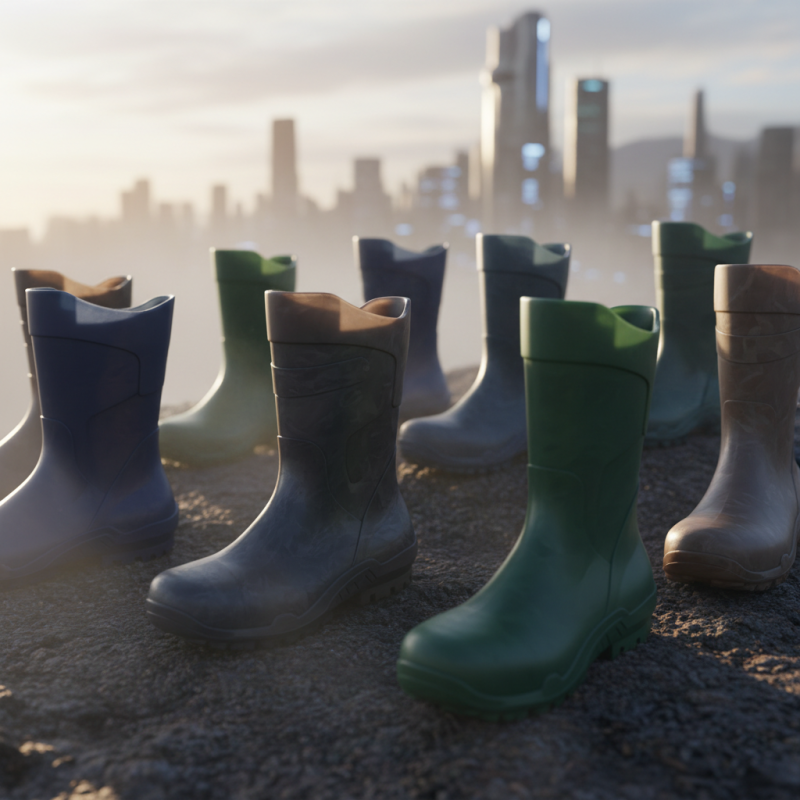
Best Plastic Boots for 2026: Key Features and Innovations
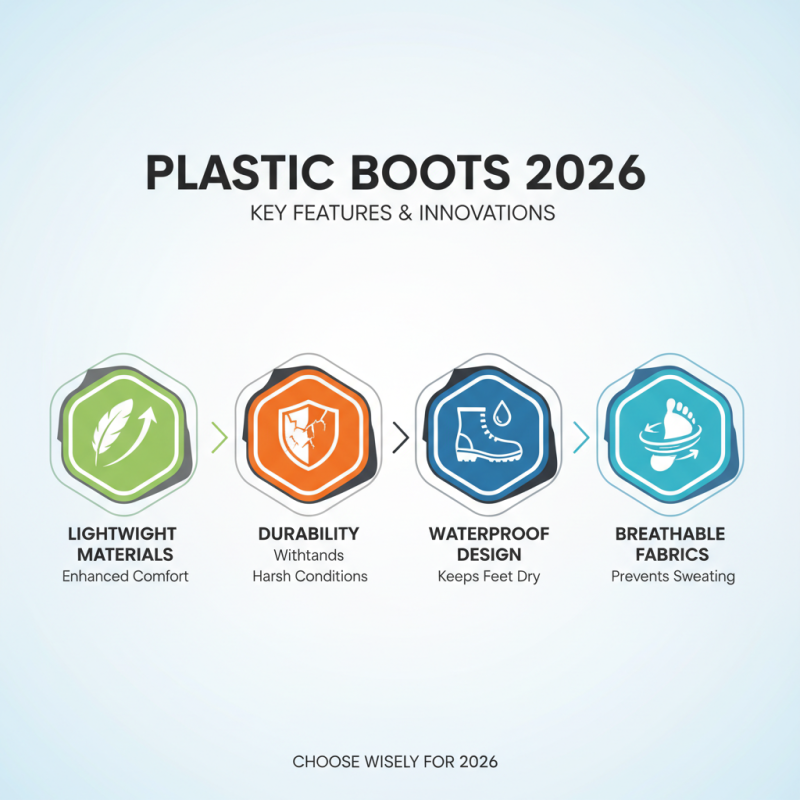
When choosing the best plastic boots for 2026, consider key features and innovations. Lightweight materials are essential. This enhances comfort during long wear. Durability is another priority. Look for boots that withstand harsh conditions. Waterproof designs keep your feet dry in wet environments. Breathable fabrics prevent sweating.
Tips: Always test for fit. A snug fit prevents blisters. Consider the sole's grip for various terrains. A flexible sole can enhance movement. Style matters too. Bright colors and unique designs can make a statement.
Reflect on your needs. If you walk a lot, choose something with support. An option that looks good but lacks comfort won’t serve you well. Remember, comfort and practicality should go hand in hand. Make informed choices for lasting satisfaction.
Top Brands Leading the Plastic Boot Market in 2026
In 2026, the plastic boot market is vibrant and rapidly evolving. Several brands are becoming leaders, each with unique offerings. These boots combine practicality with style, catering to diverse consumer needs. They are waterproof and lightweight, perfect for various outdoor activities. The use of recycled materials is becoming common, reflecting growing environmental awareness.
Top brands focus on comfort and performance. Some designs feature cushioned insoles, ensuring all-day wearability. Others offer adjustable closures for a customizable fit. Yet, not all brands meet expectations in durability. Many consumers report wear after minimal use. This raises questions about manufacturing standards and material quality.
Innovation is key in this market. Brands experiment with new designs and colors, appealing to a broader audience. However, it’s crucial to consider individual needs before purchasing. Some might prioritize style over functionality, leading to disappointment later. The plastic boot market has room for improvement, especially in sustainable practices. Consumers will benefit from increased transparency and better alternatives in the years to come.
Market Trends: Consumer Preferences for Sustainable Plastic Boots
The market for sustainable plastic boots in 2026 is evolving rapidly. A recent survey highlights that
74% of consumers prefer eco-friendly materials. This trend is reshaping how boots are designed and produced.
For many, sustainability is more than a buzzword; it’s a crucial factor in their purchasing decisions.
Interestingly, only 48% of consumers feel confident that brands are truly committed to sustainability.
This gap shows a need for transparency in the industry. Data from the Footwear Sustainability Index reveals that sustainable materials can reduce carbon footprints by up to
30%. Yet, some brands still rely on conventional practices.
Moreover, durability remains a concern among buyers. While 68% are attracted to stylish designs, they seek
long-lasting products as well. Many consumers express dissatisfaction when boots wear out quickly.
Maintaining an eco-friendly commitment while ensuring longevity is a challenge. Brands must address this to meet consumer expectations while pushing the
boundaries of sustainability.
Performance Metrics: Durability and Comfort in Modern Plastic Boots
When choosing plastic boots, durability and comfort are key metrics. Modern designs should withstand rough conditions while ensuring a pleasant fit. A well-crafted boot offers a balance between flexibility and stiff support. Look for materials that resist wear and tear over time. However, some plastic boots may not last as long as advertised. You might find flaws after a few uses, requiring careful inspection before purchase.
Comfort is subjective and varies from person to person. Some boots come with extra cushioning, which can be beneficial for long wear. Others may feel stiff initially but break in nicely. Be aware of the break-in period, as it can affect overall satisfaction. It’s essential to try on boots with the socks you'd typically wear. Testing them in-store can help, but don’t forget to walk around. Some users report discomfort after a full day. This indicates the importance of proper fitting and material choice.
In conclusion, prioritize your needs over trends. Durability and comfort are subjective experiences. Ask yourself: What conditions will you face? Understanding this will guide your decision. Balancing these metrics often involves trade-offs. A boot that excels in one area might fall short in another, forcing you to reflect on what truly matters.
Best Plastic Boots for 2026 Which Ones Should You Choose?
| Model |
Durability (Out of 10) |
Comfort (Out of 10) |
Weight (lbs) |
Price ($) |
| Model A |
9 |
8 |
2.5 |
120 |
| Model B |
8 |
9 |
3.0 |
140 |
| Model C |
7 |
7 |
2.8 |
100 |
| Model D |
10 |
8 |
3.2 |
160 |
| Model E |
8 |
10 |
2.4 |
110 |